

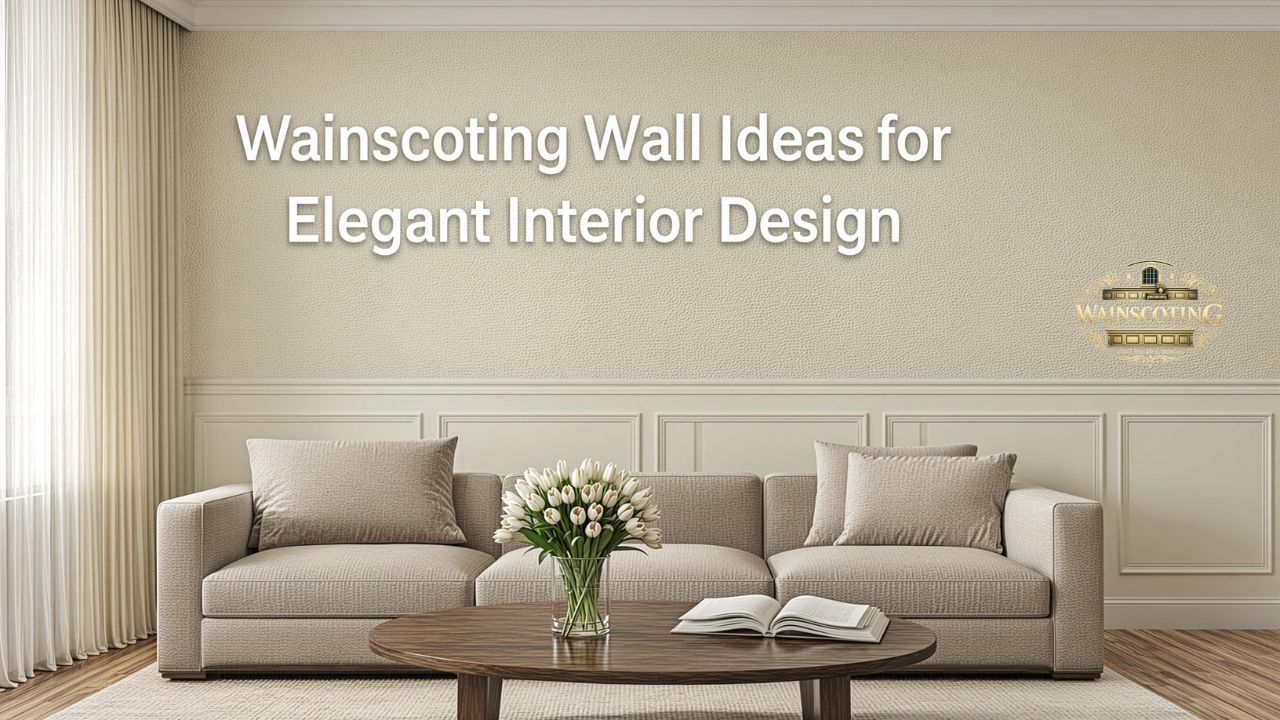
Introduction
A plain room can feel unfinished even when the furniture is expensive. A thoughtfully designed wainscoting wall often changes that instantly by adding depth, character, and architectural balance without rebuilding the entire space.
Many homeowners notice that walls usually occupy the largest visual area in a room, yet they are often treated as background surfaces. That is why wall detailing matters so much. A well-planned wall treatment can make a small room feel refined, a large room feel warmer, and an ordinary hallway feel intentionally designed.
The reason this design element remains popular across both traditional and modern homes is simple: it combines beauty with practicality. It protects lower wall surfaces while creating a finished architectural identity.
Today, designers use this treatment in bedrooms, bathrooms, staircases, offices, and even minimalist apartments because it adapts easily to different aesthetics.
What Is a Wainscoting Wall and Why Does It Matter?
A wainscoting wall is a decorative wall treatment installed on the lower portion or full height of a wall using panels, trim, molding, or boards. Historically, it began as a practical way to protect interior walls from wear, moisture, and furniture damage. Discover Houses Beautiful for stylish home décor ideas, modern interior designs, and inspiring tips to transform your living space into a dream home.
The Original Functional Purpose
In older homes, walls were more vulnerable to moisture and physical impact. Wooden paneling created a barrier that extended durability.
It also helped insulate rooms before modern wall systems became common.
Why It Still Matters in Modern Interiors
Today, people choose it mainly for design impact:
- It creates structure on blank walls
- It improves visual proportion
- It adds resale appeal
- It works with paint contrast
- It hides minor wall imperfections
A room with panel detail often feels custom-built even when the budget is controlled.
Popular Styles of Wainscoting Wall Designs
Different styles create very different moods. Choosing the correct profile depends on room height, furniture style, and overall interior language.
Raised Panel Style
Raised panels are associated with formal interiors and classic architecture. They create depth through framed center panels.
Best used in:
- Dining rooms
- Formal sitting rooms
- Entry halls


5
Flat Panel Style
Flat panels offer cleaner geometry and suit contemporary interiors.
They work especially well where simplicity is important.
Beadboard Style
Vertical grooves define beadboard. It gives softness and cottage-style warmth.
Common spaces include:
- Bathrooms
- Laundry rooms
- Breakfast corners
Board and Batten
This style uses vertical battens over flat surfaces.
It creates strong vertical rhythm and works beautifully in transitional interiors.
How to Choose the Right Height for a Wainscoting Wall
Height affects visual balance more than many people realize.
Standard Height Rules
Traditional installations usually stop at one-third of wall height.
For an 9-foot wall:
- 32 to 36 inches works classically
- 40 to 48 inches feels more decorative
Full Height Installations
Modern interiors often extend panels nearly to the ceiling.
This works especially well in:
- Accent walls
- Bedrooms behind beds
- Office backdrops
Two factors matter:
- Ceiling height
- Furniture line alignment
Best Materials Used for Wainscoting Wall Installations
Material choice determines durability, finish quality, and maintenance.
MDF for Budget-Friendly Precision
MDF is widely used because it cuts cleanly and paints smoothly.
Advantages:
- Affordable
- Stable indoors
- Easy to customize
Solid Wood for Premium Interiors
Wood offers richer texture but costs more.
Ideal for:
- Luxury interiors
- Heritage spaces
- High-value custom homes


PVC for Moisture-Prone Areas
Bathrooms and utility spaces benefit from PVC because moisture resistance matters there.
Where a Wainscoting Wall Works Best in a Home
Not every room needs the same treatment depth or profile.
Living Rooms
Living rooms benefit from symmetry.
Popular choices:
- Full wall molding behind sofa
- Lower paneling around perimeter
- Painted contrast trim
Bedrooms
A panelled wall behind the bed often replaces a traditional headboard visually.
Hallways and Staircases
These areas experience wall contact more often, making protection practical.
Bathrooms
Moisture-safe materials work well when combined with satin paint finishes.
Color Ideas That Make a Wainscoting Wall Stand Out
Color changes the entire perception of wall detailing.
Same Color for Wall and Trim
Painting both surfaces the same shade creates subtle elegance.
This works in minimalist interiors.
Contrast Color Approach
Dark lower paneling with lighter upper walls creates strong proportion.
Popular combinations:
- White and sage green
- Cream and charcoal
- Beige and dusty blue
Bold Contemporary Shades
Modern designers increasingly use:
- Deep olive
- Matte black
- Navy blue
- Warm taupe
How a Wainscoting Wall Changes Small Rooms
Small rooms often benefit more than large rooms because wall detail adds order.
Visual Expansion Through Vertical Lines
Vertical battens pull the eye upward.
Lower Section Contrast Creates Width
Horizontal trim lines help define proportions.
This is why narrow corridors improve visually after paneling.
DIY vs Professional Installation
The complexity depends on style selection.
DIY-Friendly Options
Simple trim layouts are manageable for many homeowners.
Required tools:
- Measuring tape
- Miter saw
- Adhesive
- Nail gun
- Level
When Professional Help Is Better
Complex geometric layouts require precision.
Professional installers help avoid:
- Uneven spacing
- Crooked joints
- Visible seams
Common Mistakes to Avoid
Even expensive materials can fail visually when layout planning is weak.
Incorrect Panel Spacing
Spacing must remain mathematically balanced.
Ignoring Existing Switches and Outlets
Electrical elements should integrate naturally.
Overly Thick Profiles in Small Rooms
Heavy molding can overpower limited wall area.
Modern Trends in Wainscoting Wall Design
Interior trends have shifted from purely classic toward hybrid styles.
Minimal Frame Layouts
Thin trim lines with wide spacing are now very popular.
Dark Monochrome Panels
Dark painted walls with matching trim create premium depth.
Mixed Texture Walls
Some designers combine panel molding with wallpaper above.
Maintenance Tips for Long-Term Beauty
Maintenance is simple when proper paint and material are used.
Cleaning Routine
Use soft cloth cleaning regularly.
Avoid excessive water on MDF surfaces.
Paint Touch-Ups
Semi-gloss and satin finishes allow easier repair.
Joint Inspection
Seasonal temperature changes may slightly affect seams.
FAQ
Is a wainscoting wall expensive to install?
Cost depends on material, style, and labor. MDF is budget-friendly, while hardwood and custom profiles cost more.
Can I install wall molding on textured walls?
Yes, but smoother surfaces produce cleaner results. Heavy texture may require preparation first.
Does it work in modern apartments?
Absolutely. Flat panel and minimal trim styles suit modern interiors very well.
Which paint finish works best?
Satin and semi-gloss are preferred because they clean easily and define trim edges clearly.
Can it be used in bathrooms?
Yes, especially with moisture-resistant materials like PVC or sealed MDF.
What is the most timeless style?
Raised panel and simple rectangular molding remain timeless across generations.
Should the trim match the furniture color?
Not necessarily. It should align with the room palette rather than directly match furniture.
Can full-height panel walls replace wallpaper?
Yes. Many designers now prefer full-height panel detailing instead of wallpaper for texture.
Conclusion
A carefully designed wainscoting wall does more than decorate a room—it changes how the entire interior feels. It introduces order, proportion, and depth in a way paint alone rarely achieves.
Whether the goal is classic elegance, modern softness, or stronger wall protection, this design approach remains one of the most practical upgrades available. Small details like spacing, height, color, and trim profile determine whether the final result feels ordinary or architecturally complete ✨🏡📐