

Introduction
A plain wall can make even a beautifully furnished room feel unfinished. That is exactly why wainscoting panels have returned as one of the most desired interior upgrades in modern homes, apartments, and commercial spaces.
What makes them so attractive is their ability to add instant structure, depth, and visual balance without requiring a full renovation. Whether you prefer classic interiors, transitional styling, or contemporary design, this wall treatment creates a finished architectural look that feels intentional rather than decorative.
Many homeowners first notice them in luxury homes, boutique hotels, or elegant dining spaces, but the appeal now reaches far beyond traditional interiors. Designers use them to soften empty walls, protect lower wall surfaces, and create subtle character that paint alone cannot achieve.
The best part is that this style works across nearly every room—living rooms, bedrooms, hallways, dining areas, staircases, and even bathrooms.


What Are Wainscoting Panels and Why Are They Used?
Wainscoting originally began as a practical solution rather than a decorative one. Early interior builders used wooden wall coverings to protect walls from moisture, furniture impact, and daily wear.
Today, the purpose is broader. The same concept now delivers both function and style.
A Simple Definition
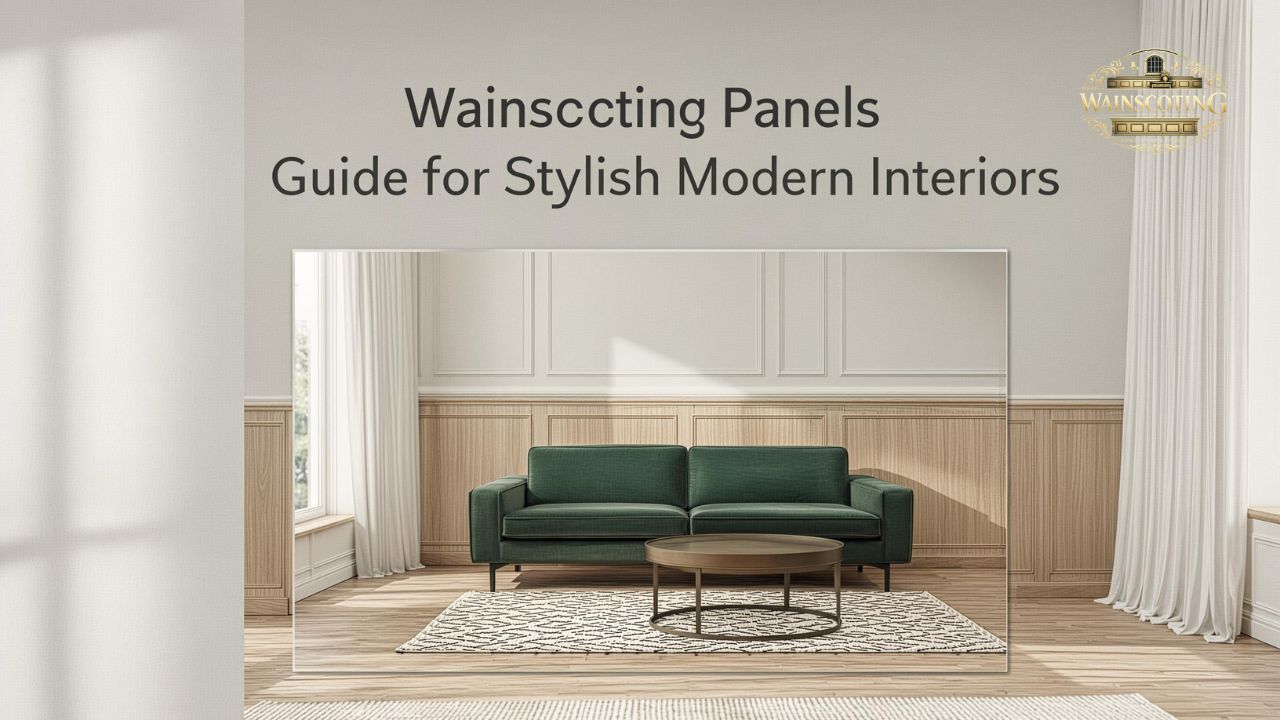
Wainscoting is decorative paneling applied to the lower section of a wall, usually covering one-third or half of the wall height. It often includes trim, moulding, and framed sections that create architectural rhythm.
The upper wall remains painted, wallpapered, or finished differently, which creates visual layering inside a room.
Why Designers Still Prefer It
Several reasons explain why it remains popular:
- It gives walls proportion
- It hides minor wall imperfections
- It protects high-contact surfaces
- It adds resale appeal
- It creates a premium custom-built appearance
Because of these advantages, wainscoting panels are often chosen when a room feels empty despite expensive furniture.
Types of Wainscoting Panels for Different Interior Styles
Not every style suits every room. Choosing the correct panel design changes the final atmosphere dramatically.
Raised Panel Style
Raised panels create traditional depth with central sections that project outward.
This style is often seen in formal spaces such as:
- dining rooms
- offices
- luxury hallways
- executive interiors
It works best when ceiling height allows enough breathing space.
Flat Panel Style
Flat panel systems create cleaner geometry.
This version suits:
- modern apartments
- Scandinavian interiors
- minimalist homes
Because lines remain sharp and subtle, the room feels elegant without becoming heavy.


Beadboard Panels
Beadboard introduces vertical narrow grooves.
It is commonly used in:
- bathrooms
- kitchens
- cottage interiors
- mudrooms
Its vertical lines visually increase wall height.
Board and Batten
This style creates stronger vertical rhythm using battens placed over flat backing.
It is now one of the most requested options in contemporary home renovation projects because it blends traditional character with modern simplicity.
Best Materials Used for Wainscoting Panels
Material choice influences both durability and budget.
MDF Panels
MDF remains one of the most common options because it is:
- affordable
- smooth for paint
- easy to cut
- stable indoors
It performs especially well in dry interior spaces.
Solid Wood
Solid wood offers natural depth and stronger edge detail.
It is ideal for:
- premium projects
- luxury interiors
- heritage restoration
However, wood expands and contracts more than engineered boards.
PVC and Moisture Resistant Panels
Bathrooms and humid zones often need synthetic alternatives.
PVC offers:
- moisture resistance
- low maintenance
- easy cleaning
Pre-Finished Decorative Boards
Some projects now use factory-coated decorative panels to speed installation.
These reduce finishing time significantly.
Where Wainscoting Panels Work Best in a Home
One reason designers recommend this wall treatment is flexibility.
Living Rooms
Living rooms often benefit because large empty walls need structure.
Panel framing behind sofas or TV walls creates stronger composition.
Bedrooms
Bedroom headboard walls become more refined with subtle lower wall detailing.
It also helps create hotel-like softness.


Hallways and Staircases
These areas receive frequent contact and often look neglected.
Panels improve durability while making circulation spaces feel designed.
Dining Rooms
Dining spaces gain warmth when wall proportions are visually divided.
This often makes lighting fixtures look more intentional too.
Choosing the Right Height for Wainscoting Panels
Height changes visual balance more than most people expect.
Standard Height Rule
Traditional installations usually cover one-third of wall height.
For example:
- 9-foot wall → 3-foot panel height
Modern Height Variation
Contemporary interiors often push height slightly higher.
This works especially well in narrow spaces because vertical emphasis feels elegant.
Full Feature Walls
Some modern projects extend framed mouldings almost full height.
This blurs the line between classic wall trim and full decorative wall architecture.
Paint Colors That Make Wainscoting Panels Stand Out
Color decisions shape whether the result feels traditional or modern.
Same Color as Upper Wall
Using one color across both sections creates subtle sophistication.
This works well in minimalist interiors.
Contrast Color Strategy
A darker lower panel with lighter upper wall adds definition.
Popular combinations include:
- white + grey
- beige + ivory
- navy + warm white
Matte Finishes
Matte paint often gives moulding sharper visual depth than glossy finishes.
Installation Planning Before Starting
Even simple wall panel projects require precise planning.
Measure First
Wall width and symmetry must be calculated before cutting.
Uneven panel spacing becomes obvious once painted.
Check Existing Surfaces
Walls must be smooth enough for adhesion.
Decide Between DIY and Professional Work
Simple layouts can be DIY-friendly.
Complex moulding alignment usually needs professional carpentry.
Common Mistakes People Make with Wainscoting Panels
Many installations fail because of proportion errors rather than material quality.
Panels Too Small for Large Walls
Tiny frames on wide walls look disconnected.
Overly Thick Moulding in Small Rooms
Heavy trim reduces elegance in compact interiors.
Wrong Paint Finish
Highly reflective finishes expose imperfections.
Cost Factors That Affect Final Budget
Several things influence pricing.
Material Type
Solid wood costs more than MDF.
Labour Complexity
Simple rectangles cost less than layered profiles.
Wall Condition
Damaged walls increase preparation cost.
For many homes, wainscoting panels remain one of the most affordable architectural upgrades compared to major remodeling.
FAQ
Are wainscoting panels suitable for small rooms?
Yes. When proportions are correct, they actually make walls look more intentional and balanced.
Can they be installed over existing painted walls?
Yes, as long as the surface is dry, stable, and smooth enough for bonding.
Which paint finish works best?
Eggshell or matte usually performs best because detail remains visible without excessive reflection.
Do they work in bathrooms?
Yes, but moisture-resistant materials are recommended.
Are MDF panels durable enough?
For dry indoor spaces, MDF performs very well.
Can modern interiors use traditional paneling?
Absolutely. Cleaner frame spacing and simple paint colors make traditional forms feel modern.
What is the ideal height for hallway installation?
Usually between 32 and 42 inches depending on ceiling height.
Do they increase property value?
Well-designed wall detailing often improves visual appeal during resale.
Conclusion
Walls influence how expensive a room feels more than most people realize. Furniture can be replaced, lighting can change, but wall structure creates the permanent visual foundation people notice first.
That is why wainscoting panels continue to remain relevant across both traditional and modern interiors. They solve emptiness, improve proportions, and introduce architectural character without overwhelming the room.
When chosen carefully—correct height, correct spacing, correct material—they create a result that feels timeless rather than trend-driven. 🏡✨