
Introduction
Bathrooms often receive less design attention than living rooms or bedrooms, yet they are among the most frequently used spaces in any home. A well-finished bathroom creates an immediate sense of comfort, cleanliness, and style, even when the square footage is limited.
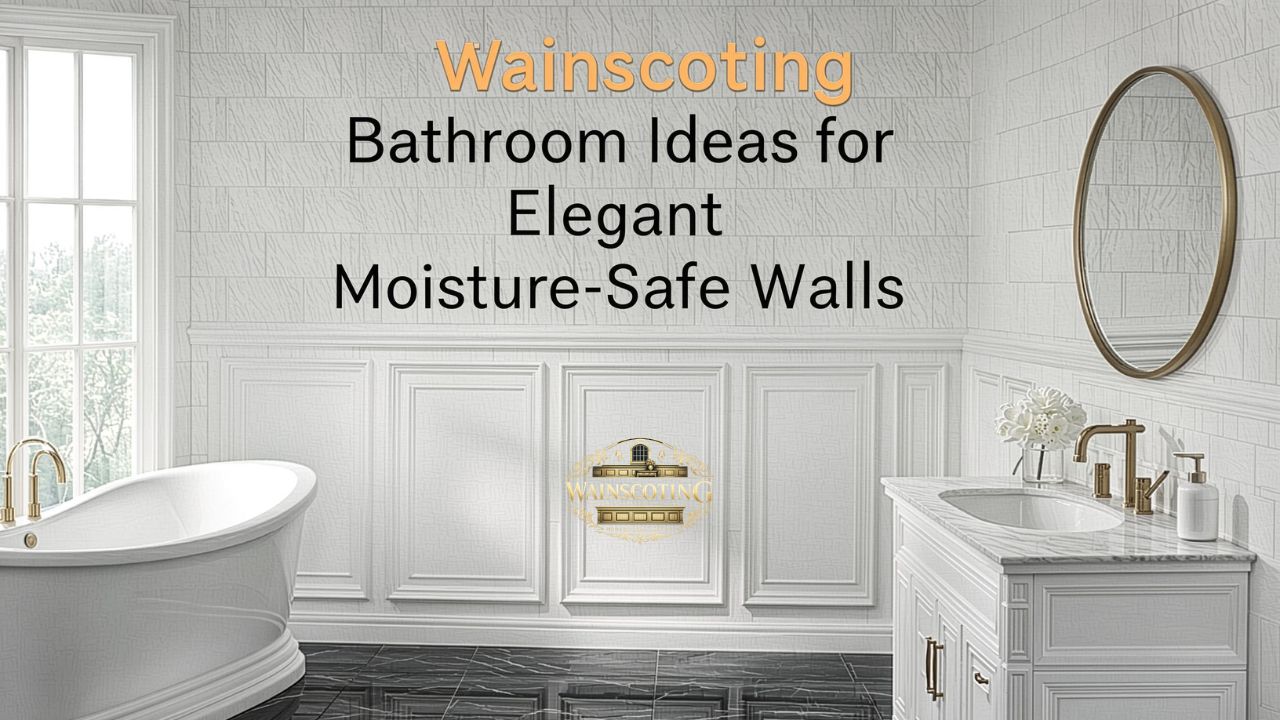
One design detail that continues to transform ordinary interiors is wainscoting bathroom styling. It adds texture, protects walls from daily moisture exposure, and instantly gives even a simple bathroom a finished architectural character.
Unlike plain painted walls, wainscoting introduces visual depth. It helps divide wall space in a way that feels intentional and elegant. In many homes, especially where bathrooms need both durability and charm, this detail becomes more practical than decorative.
Whether you are renovating a powder room, updating a family bathroom, or designing a luxury ensuite, choosing the right wall treatment can change the atmosphere more than expensive fixtures ever will.


Why Wainscoting Bathroom Designs Work So Well in Moisture-Prone Spaces
Bathrooms experience constant humidity, water splashes, temperature changes, and cleaning chemicals. Standard painted drywall often begins to show wear much faster in these conditions.
Added Wall Protection
Wainscoting creates a durable lower wall barrier that shields surfaces from:
- Water splashes near sinks
- Steam condensation
- Cleaning marks
- Minor wall impacts
- Everyday moisture exposure
Because the lower half of bathroom walls receives the most contact, paneling helps reduce visible wear over time.
Visual Structure for Small Bathrooms
A bathroom with plain walls can sometimes feel flat or unfinished. Wall paneling introduces architectural rhythm and makes even narrow rooms feel more deliberate.
Easier Maintenance
Smooth panel finishes are usually easier to wipe clean than painted plaster alone, especially in family bathrooms.
Best Materials for Wainscoting Bathroom Installations
Choosing the wrong material can lead to swelling, peeling, or mold problems. Moisture resistance matters more in bathrooms than in dry living areas.
PVC Panels
PVC is highly practical for bathrooms because it resists water completely.
Benefits include:
- Waterproof performance
- Easy cleaning
- Low maintenance
- Long-term durability
Moisture-Resistant MDF
Properly sealed MDF remains one of the most popular choices because it gives a premium painted finish.
Solid Wood with Proper Sealing
Wood can still work beautifully when primed, sealed, and maintained correctly, especially in low-humidity powder rooms.
Popular Styles for Wainscoting Bathroom Interiors
Different panel profiles create very different moods.
Beadboard for Cottage and Soft Traditional Spaces
Beadboard remains one of the most recognized bathroom wall styles.
It works especially well when paired with:
- Soft white paint
- Brass fixtures
- Marble countertops
- Vintage mirrors
Raised Panels for Formal Bathrooms
Raised profiles create a more luxurious appearance and often suit larger bathrooms.
Flat Shaker Panels for Modern Homes
Flat trim lines fit clean interiors where minimal design matters.
Ideal Height for Bathroom Wall Paneling
Panel height affects balance more than many homeowners expect.
Traditional Height Rule
The most common range is:
- 32 inches
- 36 inches
- 40 inches
Higher Placement for Visual Drama
In larger bathrooms, paneling can rise to two-thirds wall height.
Matching Existing Features
Often the best height aligns with:
- Vanity backsplash
- Window trim
- Tile transitions
Color Choices That Improve Bathroom Panel Design
Color determines whether the room feels calm, bold, warm, or bright.
White Remains the Most Versatile
White keeps bathrooms feeling clean and timeless.
Soft Gray for Modern Calm
Gray works especially well in contemporary bathrooms.
Deep Colors for Luxury
Dark navy, forest green, and charcoal create striking contrast when paired with bright ceramics.
Combining Tile and Wainscoting Bathroom Features
Many designers now combine two wall finishes instead of choosing only one.
Tile Below, Panel Above
Useful near wet zones.
Panel Below, Paint Above
This remains the most common layout.
Mixing Materials Carefully
Balance matters. Too many textures can make a bathroom feel crowded.


4
How to Make Small Bathrooms Look Larger with Panel Design
Smaller bathrooms benefit greatly from controlled wall detail.
Vertical Lines Add Height
Narrow vertical boards visually raise ceiling perception.
Light Colors Expand Space
Use pale finishes when natural light is limited.
Keep Trim Profiles Simple
Heavy molding can overpower compact rooms.
Installation Considerations Before Starting
A successful installation begins with careful planning.
Wall Preparation
Walls must be:
- Dry
- Level
- Clean
- Mold-free
Seal Every Edge
Bathroom moisture enters through weak seams.
Paint After Full Caulking
Proper finishing prevents visible movement lines later.
Common Design Mistakes to Avoid
Using Untreated Materials
Unsealed wood absorbs moisture quickly.
Ignoring Ventilation
Even excellent materials fail without airflow.
Choosing Wrong Paint Finish
Always prefer moisture-resistant satin or semi-gloss.
Matching Fixtures with Wainscoting Bathroom Walls
Wall style should support the rest of the room.
Brass Fixtures
Warm metals pair beautifully with traditional paneling.
Matte Black Hardware
Modern bathrooms often use black fittings with flat panels.
Stone Countertops
Natural stone strengthens premium wall detailing.
Cost Expectations for Bathroom Wainscoting
Pricing varies depending on materials and labor.
Budget Range
Simple MDF installations remain affordable.
Mid-Range Projects
Custom trim increases labor costs.
Premium Finishes
Solid wood and custom painting raise total investment.
FAQ
Is wainscoting suitable for full bathrooms with showers?
Yes, but moisture-resistant materials and sealing are essential.
What is the best paint finish for bathroom paneling?
Semi-gloss or satin works best because it resists moisture.
Can wainscoting be installed over tile?
In some dry areas, yes, if the surface is properly prepared.
Does bathroom wall paneling reduce mold risk?
It helps protect walls, but ventilation remains necessary.
Which color works best in small bathrooms?
Light white, cream, or pale gray usually perform best.
Is MDF safe for humid bathrooms?
Yes, if moisture-resistant MDF is primed and sealed correctly.
How tall should bathroom paneling be behind a vanity?
Usually between 32 and 40 inches depending on vanity height.
Does wainscoting increase home value?
Well-executed bathroom detailing improves perceived interior quality.
Conclusion
A bathroom does not need expensive luxury materials to feel refined. Often, carefully chosen wall detailing creates the strongest visual improvement.
The reason wainscoting bathroom designs continue to remain popular is simple: they combine protection, elegance, and structure in one practical upgrade.
When material selection, height, paint finish, and style all work together, even a basic bathroom begins to feel custom-made. That balance is what makes this design feature timeless for both modern homes and traditional interiors. ✨