

Introduction
A plain wall can make even a beautiful room feel unfinished. That is why raised panel wainscoting continues to stand out in interior design—it adds depth, structure, and a refined architectural character that instantly changes how a space feels.
Unlike flat trim details, raised panel designs create visible dimension through framed sections that project outward slightly, giving walls a richer and more formal appearance. This detail has long been associated with classic homes, but today it works just as well in modern interiors when proportions and finishes are chosen carefully.
Many homeowners choose this style because it does more than decorate a wall. It introduces visual balance, protects lower wall surfaces, and helps connect furniture, flooring, and ceiling details into one coherent design language.
Whether used in a hallway, dining room, staircase, bedroom, or office, this wall treatment creates a strong sense of craftsmanship that ordinary painted drywall rarely achieves.


What Is Raised Panel Wainscoting?
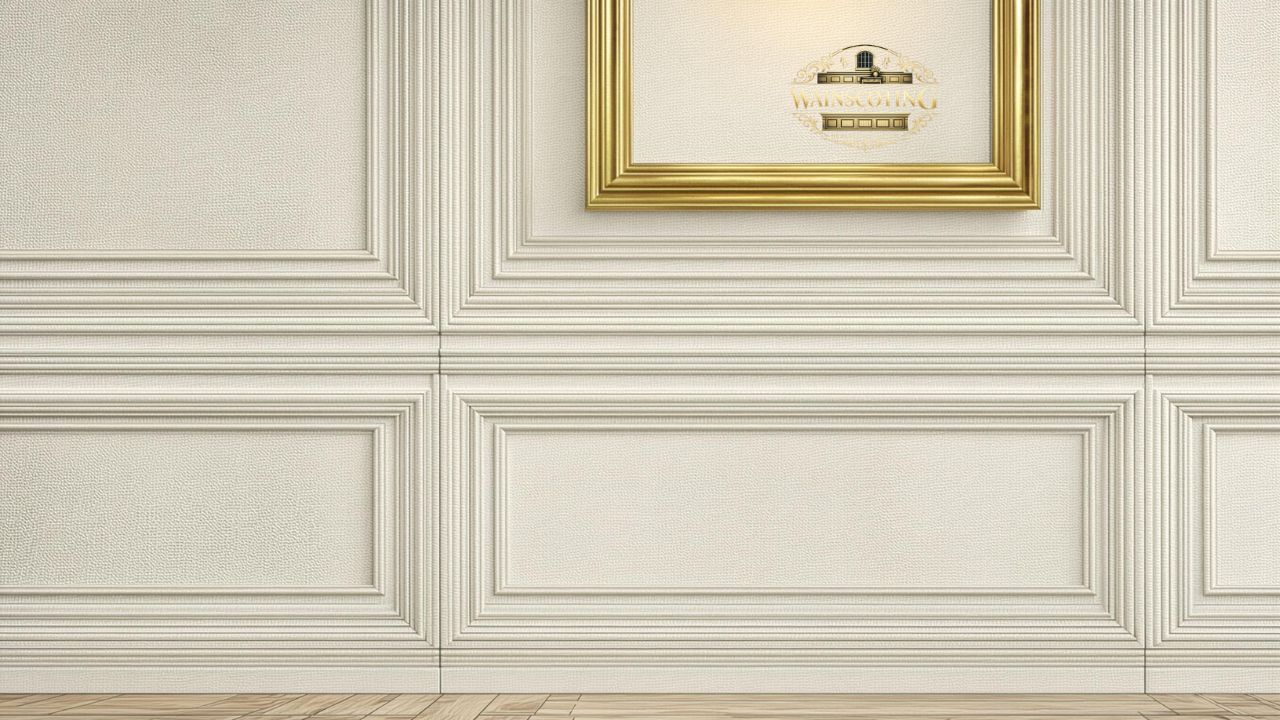
Raised panel wainscoting is a decorative wall treatment made from framed sections where the center panel projects outward from the surrounding trim. The panel edges are shaped to create shadow lines, giving the wall a layered and sculpted appearance.
How It Differs from Flat Panel Styles
Flat panel designs sit recessed inside a frame. Raised panel construction pushes the center portion forward, which creates stronger visual contrast.
This difference matters because raised surfaces catch light differently throughout the day, making walls look more detailed without needing heavy decoration.
Why It Feels More Architectural
The style often appears in traditional homes because it mimics historic millwork techniques used in older interiors. Even when installed with modern materials, the final result still feels custom-built.
Key visual effects include:
- deeper shadow lines
- stronger wall rhythm
- formal room framing
- enhanced vertical proportion
- premium finish perception
Why Raised Panel Wainscoting Still Works in Modern Homes
Many people assume this detail belongs only in traditional interiors, but that is no longer true. Modern designers often simplify trim profiles, widen spacing, and paint panels in muted tones to create a contemporary version.
A clean raised panel layout can work beautifully with:
- soft neutral paint
- matte black fixtures
- warm wood flooring
- minimal furniture
- large windows
Instead of making a room feel old, it can make a simple room feel intentional.
Best Rooms for Modern Application
The most successful spaces usually have enough wall area for the panel pattern to breathe naturally.
Common choices include:
- entry corridors
- dining rooms
- stair landings
- master bedrooms
- home libraries


5
Choosing the Right Height for Raised Panel Wainscoting
Wall proportion determines whether the installation looks balanced or awkward.
Standard Height Rules
In most homes, the lower section covers one-third of the wall height.
Typical measurements:
- 32 inches for compact rooms
- 36 inches for standard interiors
- 42 inches for formal spaces
- 48 inches for larger dining walls
When Full Wall Panels Work Better
Some luxury interiors extend raised panels nearly to the ceiling, especially in offices or feature walls.
This creates a dramatic vertical statement and often removes the need for additional artwork.
Materials Commonly Used for Raised Panel Construction
Material selection affects both cost and durability.
MDF for Smooth Painted Results
MDF remains one of the most practical choices because it cuts cleanly and paints evenly.
Advantages:
- budget friendly
- smooth finish
- stable surface
- easy trim shaping
Solid Wood for Premium Craftsmanship
Wood gives sharper detail and stronger durability, especially in high-end projects.
Popular species include:
- oak
- poplar
- maple
Moisture-Resistant Options for Bathrooms
If installed near moisture, treated boards or PVC-based products perform better.
Design Patterns That Change the Look of the Room
Panel spacing controls whether the wall feels formal, soft, or dramatic.
Narrow Vertical Panels
These create more rhythm and help low ceilings appear taller.
Wide Horizontal Panels
These make a wall feel calmer and broader.
Symmetrical Layouts Around Furniture
Panels often look best when centered around:
- consoles
- beds
- fireplaces
- dining buffets
This prevents visual imbalance.


Paint Colors That Work Best with Raised Panel Wainscoting
Paint decides whether the detail feels soft, bold, or formal.
Classic White
Still the most common choice because it highlights trim shadows clearly.
Deep Colors for Rich Interiors
Popular darker tones include:
- navy
- charcoal
- olive
- deep taupe
These colors make trim profiles look dramatic under side lighting.
Same Color Top to Bottom
Painting both upper wall and panels the same shade creates subtle elegance.
Installation Planning Before Starting
Before cutting any material, wall measurement must be exact.
Important Planning Steps
- mark outlet positions
- check wall level
- divide panel spacing evenly
- align with door trim
- confirm chair rail height
Common Mistakes to Avoid
Many DIY projects fail because panel widths are guessed rather than planned mathematically.
Uneven corner spacing immediately looks amateur.
Cost Expectations for Raised Panel Projects
Costs vary depending on material and labor detail.
Approximate Budget Range
DIY installations usually fall lower, while custom carpentry rises quickly.
Estimated range:
- budget MDF wall: low to moderate
- custom hardwood wall: premium
- painted luxury installation: high depending on finish
Labor Usually Costs More Than Material
Because layout precision takes time, craftsmanship often drives final pricing.
Raised Panel Wainscoting in Small Rooms
Smaller spaces can still benefit when scale remains controlled.
Best Strategy for Compact Areas
Use:
- fewer panels
- slimmer molding
- lighter paint
- clean top rail
This keeps walls elegant without visual heaviness.
Powder Rooms and Entry Niches
These are ideal areas because even a small section creates strong impact.
FAQ
Is raised panel wainscoting suitable for bedrooms?
Yes, especially behind a bed wall or along lower wall sections where it adds softness and structure.
Does raised panel wainscoting make a room look smaller?
Only if panel sizes are too heavy for the wall. Proper spacing usually improves room proportion.
Can it be installed over existing painted walls?
Yes, as long as the surface is smooth, dry, and properly measured.
Which paint finish is best?
Satin or semi-gloss usually works best because trim shadows remain visible and cleaning is easier.
Is MDF good enough for long-term use?
Yes, in dry indoor spaces it performs very well and paints beautifully.
Can this style work in minimalist interiors?
Yes, when trim profiles stay simple and color remains restrained.
Should every wall in a room have panels?
Not always. Sometimes one feature wall creates stronger balance.
Does raised panel wainscoting increase property appeal?
Well-executed wall detailing often improves perceived interior value because buyers associate it with custom finishing.
Conclusion
A well-designed wall changes how a room feels before anyone notices furniture or decoration. Raised panel wainscoting works because it adds depth, order, and timeless craftsmanship without relying on trends.
When proportions are correct, materials are chosen carefully, and panel spacing follows the room’s architecture, the result feels permanent rather than decorative. That is why this style continues to remain relevant across both classic and updated interiors ✨🏠📐